Optimus
THE INDUSTRY-LEADING PIDO SOFTWARE PLATFORM

Optimus, an Automation and Optimization tool by Noesis Solutions, enables users to outsmart competition while taking into account all relevant design constraints - effectively implementing an Objectives Driven Engineering process, and saving time & resources. Optimus bundles a powerful range of capabilities for Engineering Process Integration, Design Space Exploration, Engineering Optimization and Robustness & Reliability.
DISCOVER OPTIMUS' UNIQUE CAPABILITIES
A vendor-neutral open platform
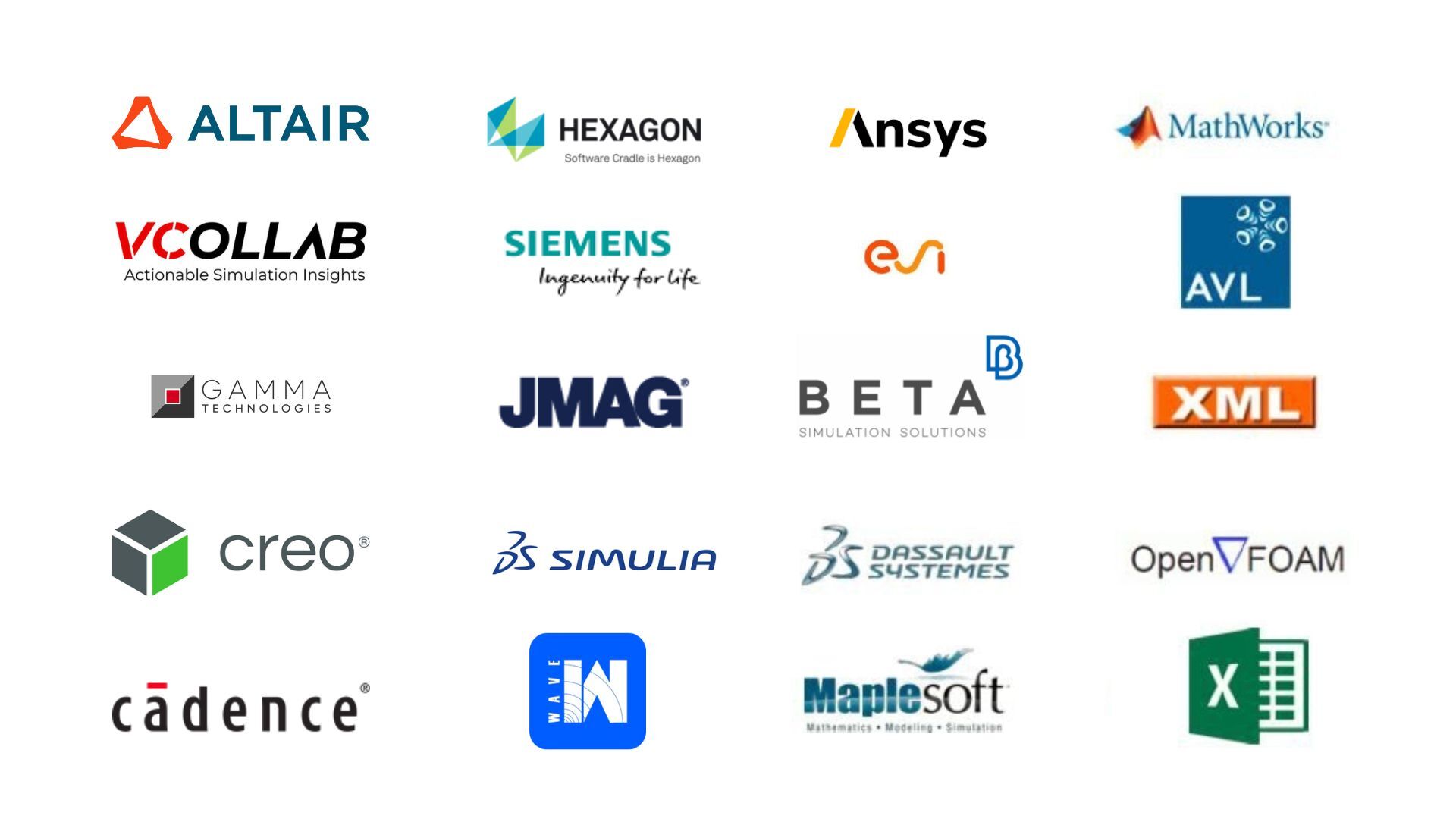
As an entirely vendor-neutral PIDO platform, Optimus provides an open architecture to communicate with any engineering software, including the capability to deal with any file syntax. Besides protecting the investments companies have made in legacy codes and models (safeguarding their future use within the organization), Optimus enables them to deploy an ‘Engineer by Objectives’ strategy irrespective of the engineering software that is actually being used.
Industry-proven technologies
Optimus’ industry-proven, state-of-the-art design space exploration and engineering optimization methods are a critical enabler of a successful Objectives Driven Engineering process deployment. Its methods and technologies have clearly demonstrated the capability to successfully deal with diverse real-world applications – with implementations at various customers sites that include tens of licenses used on a daily basis.

Robust deployment
The robustness of Optimus’ methods is equally important. Highly robust numerical optimization algorithms should not require excessive manual parameter specifications to start the process and perform the job successfully. This is where Optimus really excels. Using Optimus, engineering teams work with robust algorithms and are therefore far more efficient, benefiting from a shorter learning curve.

Effective decision support tools
Optimus’ intuitive and flexible post-processing functions are needed to turn large engineering data sets into information that supports design decisions. Effective decision tools not only make it easier to eliminate non-influential design parameters and identify best design tradeoffs, but will also facilitate communication between engineering teams and management.

EXPLORE THE OPTIMUS TECHNOLOGIES
Optimus is intensely used to solve real-world engineering challenges
Discover how »©2026 Noesis Solutions • Use of this website is subject to our legal disclaimer
Cookie policy • Cookie Settings • Privacy Notice • Design & Development by Zenjoy